
For Organizations
You’ve already coached the CEO. Or restructured the team. Or run the offsite. And your leadership team is still stuck in the same cycles, the same tensions, the same conversations that go nowhere. The problem isn’t one leader. It’s the pattern running through the whole leadership layer. That’s where we work.
How Organizational Leadership Coaching Works
STEP 1
I coach the senior executive. Private 1:1 executive coaching with the CEO and each of C-suite leaders. The conflict avoidance that’s creating a passive-aggressive VP layer. The decision-making bottleneck that has every initiative waiting on one person. The story you tell yourself about why the team can’t handle more. I find the pattern underneath those problems, because that’s where most leadership team dysfunction actually starts: at the top, with something the senior leader can’t see from the inside.

STEP 2
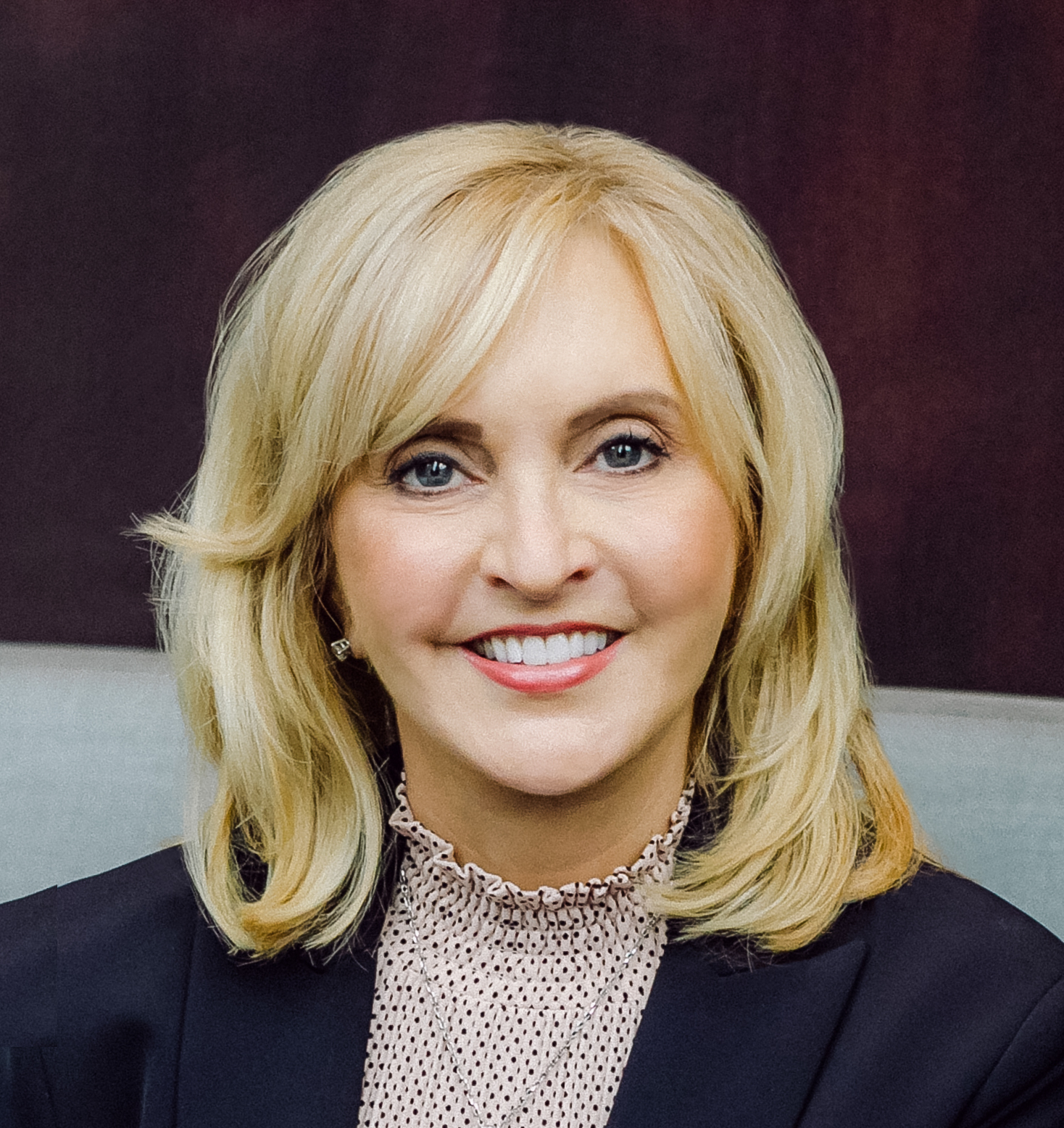
Jacqueline coaches the leadership layer below. Your Ddirectors, VPs, and emerging leaders get their own coaching, 1:1 or in small groups depending on the size of the team. Here’s why that matters: the CEO’s pattern doesn’t stay in the corner office. It shapes how the whole leadership team operates. The VP who’s overcompensating for a CEO who avoids conflict. The director who’s hoarding information because nobody above them shares context. Your people are adapting to a system, and they need someone working with them inside it.
STEP 3
Twice a year, we bring everyone together. Not a team-building exercise. Not a strategy offsite with breakout sessions and sticky notes. Live leadership team facilitation where the full group is in the room working on the dynamics that are actually running the business. The things that get talked around in meetings. The tension everyone can feel but nobody names. The pattern that looks like a people problem until you see it’s a system problem. That’s what these sessions are for.
Introducing…
CARE to Lead® for Organizations
The hands-on, results-oriented approach to leadership development that you’ve been waiting for
What CARE to Lead® Actually Changes
Every organization we work with has its own version of the same four breakdowns. The names are different. The people are different. The pattern underneath is not.
Clarity
Authenticity
Responsibility
Engagement
What You Get
Private 1:1 executive coaching for the senior leader. Group coaching sessions through ongoing cohorts for the leadership layer below. Offsite facilitation sessions that bring the full team together, in person, working on what’s real. Between sessions: live office hours, direct access through voice and video messaging, and an online resource library your leaders can use on their own time.
Engagements typically run twelve months. Some organizations start with six. Some extend to eighteen. The length depends on how deep the pattern runs and how many layers of leadership are involved.
This is not a training program your people sit through and forget. It’s an ongoing coaching relationship that changes how your leadership team actually operates, week to week, decision to decision.
What Leaders Say After Going Through This
If other CEOs were looking at CARE to Lead® for their own organization, I would absolutely promote it and say you need to do this. But take it one step further. Don’t, don’t just do it for yourself as a leader, but take it to the next level of leaders in your organization. Because everybody going through this journey at the same time is really important. It really creates that team approach and the engagement with everybody. A leader can absolutely do the leadership program. By bringing the other leaders in the organization along with them. Everybody’s in it together.

PRI Executive Vice President & Chief Operating Officer
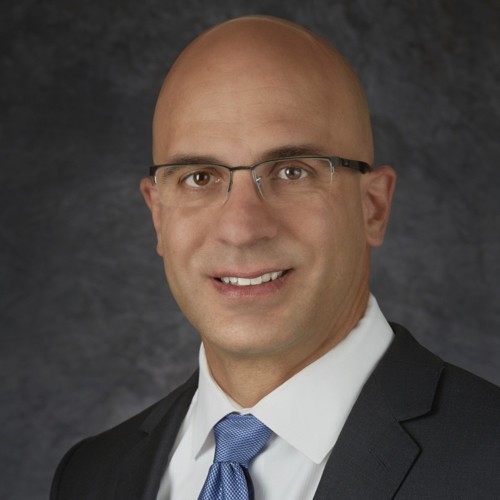
Since we started working with Cynthia as a group, I have noticed significant changes. I would say, prior to working with Cynthia, there were occasions where there would be one or two dominant voices in the group, and it could sometimes be a case of whoever shouts loudest gets their own way. But now, I think we do have a much more streamlined process, a greater appreciation for the fact that are there are different perspectives and different experiences within the group that can all contribute to an end decision or output. That’s beneficial for everybody.

Director of Marketing & Communications, PRI
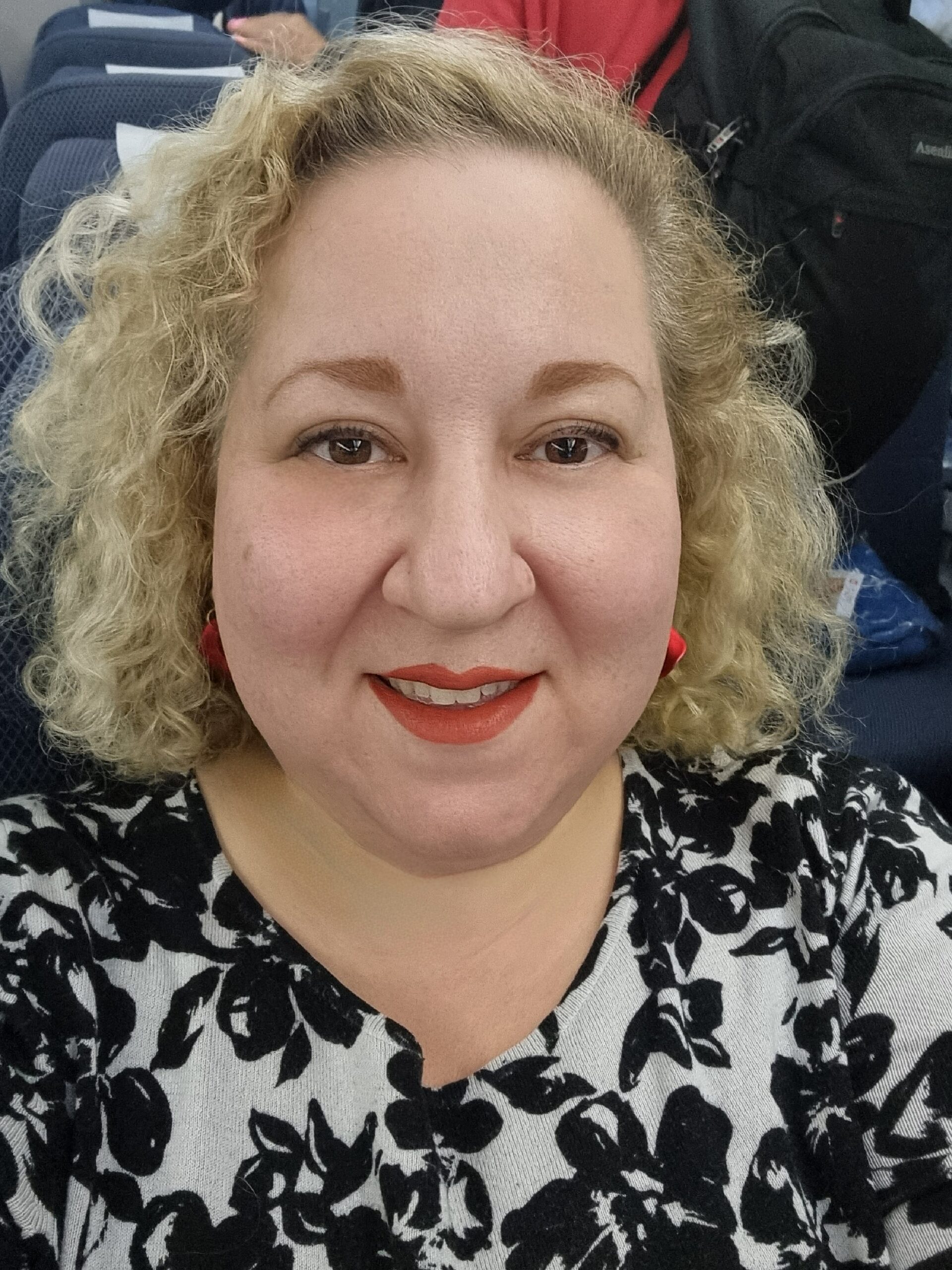
I think in the past as a leader, I was work just leading on my instincts, whereas Cynthia’s program provided tools that helped me understand how I could take manageable steps to improve the leadership of my team….Participating in the program is has affected the way we work together as a team. The program gives tools to break down those those barriers with people and make them more comfortable. And as a leader, I can draw out opinions and thoughts from the complete team. And I think that kind of collaboration is generated better solutions.

VP of Operations, PRI

FAQs
How long does an engagement last?
Most organizations start with a twelve-month engagement. Some do six. Some extend to eighteen. It depends on how many leadership layers are involved, how deep the patterns run, and what the organization needs to change. We’ll figure out the right scope together before anything starts.
Can we start with one team before expanding to the full organization?
Yes. Some organizations launch with a single cohort to see how the work takes hold before rolling it out further. The one thing we don’t do is add individuals to an existing cohort mid-cycle. Trust is the foundation of this work, and that trust gets built within a specific group over time. New people disrupt that.
We already have an internal HR team that handles leadership development. How is this different?
This isn’t a one-time workshop or a quarterly lunch-and-learn. Most organizations try to fix leadership team dysfunction one person at a time: send the CEO to an executive coach, run a 360 on the VPs, bring in a facilitator for one session. That doesn’t work when the pattern runs through the whole system. We coach the full leadership layer, simultaneously, over time. That’s how the operating system actually changes.