Hi. This one’s a composite of at least a dozen companies I’ve watched up close. That’s sort of the point.
A CEO I work with was describing friction between two of his leaders. One of them, whenever a decision doesn’t go his way, finds his moment. Not in the meeting where the decision got made. After. In the hallway, at the airport, at the tail end of an unrelated call. He makes his case again, gets something that sounds like a promise, and from then on the promise is the shield. Every follow-up conversation with his actual boss starts the same way: “Well, I was told we’d revisit that.”
The CEO’s complaint was about the leader. Understandable. It’s an exhausting operating system to be around. Nothing is ever settled, accountability always routes upward, and his function’s problems come back stamped with someone else’s approval.
So I asked the CEO the question I ask everyone. What’s your part in this?
He started to say “nothing,” and then he didn’t say it.
Because here’s the mechanics. A promise-shield only works if someone keeps issuing promises. And a hallway “sure, we can look at that again” is the cheapest purchase in leadership. It costs three seconds and buys you an easy exit from an uncomfortable conversation. The invoice arrives later, addressed to whoever actually made the decision.
He wasn’t undermining anyone on purpose. That’s the thing. He was being accessible. Open door, hears everyone out, doesn’t like sending people away empty-handed. Every one of those is a virtue, right up until it becomes the mechanism by which one leader on the team never has to own anything.
What I actually believe about this, and I say it to every client eventually: every situation you’re in, you own part of. Period. Not the majority, maybe. Part. That applies to the leader carrying the shield. It applies harder to the person forging them.
The second beat. The CEO went home and counted. How many soft promises were out in circulation, things he’d said to end conversations rather than to change decisions? He stopped counting, he told me, because the number was embarrassing.
So, an audit for your week. Think of the last time someone left your office happier than the decision warranted. What exactly do they believe you told them? Because somewhere in your company, right now, a version of your words is being used in a meeting you’re not in. “Well, I talked to her, and she said…”
You were probably just being nice. That’s how the shields get made.
If you’re in the middle of something that one conversation can’t resolve, that’s the kind of work I do with leaders one-on-one. Not advice. Pattern recognition applied over time, so the pattern doesn’t just get named, it gets rewired. Reply to this email if you want to talk about what that could look like.
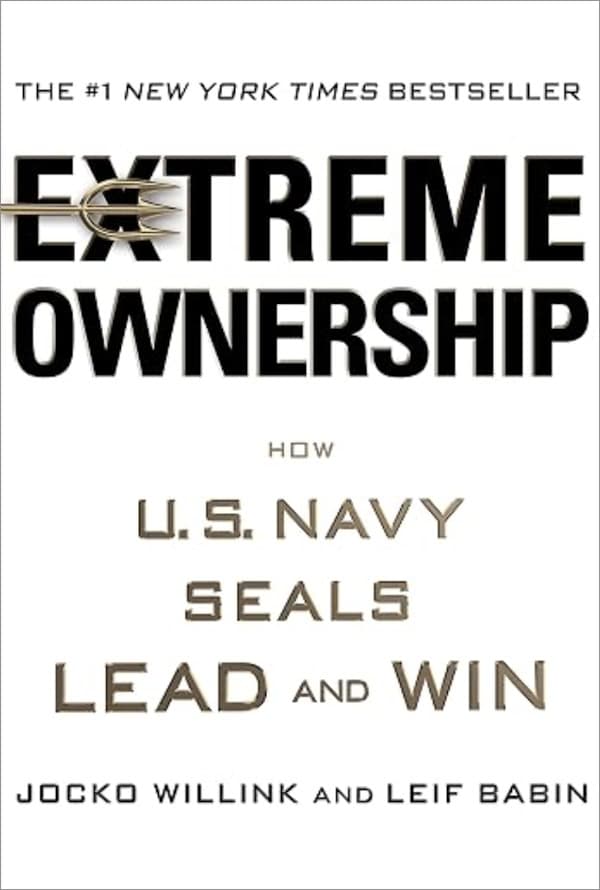
This week’s read: Extreme Ownership by Jocko Willink and Leif Babin. The authors are former SEALs and the book is exactly as blunt as you’d expect. Underneath the war stories is one idea: the leader owns everything in their world, including the excuses. Chapter one does most of the work. Find it here.
His hallway promises are down, his meetings are longer. That’s the trade.