Happy end-of-July. Three weeks ago I wrote about the CEO who’d known for eighteen months. This one circles back to that territory on purpose, because knowing was never the hard part.
There’s a meeting on your calendar that’s been moved three times.
You moved it once because something more urgent came up. You moved it again because you needed to think about how to handle it. You moved it the third time because the timing didn’t feel right. It’s still on your calendar. You’ll probably move it again next week.
You know what the meeting is. So do I.
It’s the conversation with the person on your leadership team who isn’t going to make it. The CFO who can’t grow into the role you need her to play. The VP who was right for the company three years ago and isn’t right for the company you’re becoming. The director you promoted because she was loyal, and now needs to do something she’s not equipped to do.
Every quarter you postpone that conversation is a quarter you tell your team something about what you’ll tolerate. The team sees the rescheduling. They watch you not have it. They’re not just watching the person you’re avoiding. They’re watching you. And they’re calibrating what the cost of underperformance actually is, because right now the cost is zero, and the person bearing the cost is whoever has to compensate for the gap.
I’ve had this conversation with myself. It’s worse with contractors than employees, but the same shape. There’s always a reason to wait one more cycle. There’s always a project mid-stream. There’s always the question of whether I’ve given enough feedback, or whether the timing is fair. By the time I finally have the conversation, I’ve usually waited six months longer than I should have. And every single time, the person on the other end says some version of: “I’ve been waiting for you to say this.”
The cost isn’t usually visible to you. It’s visible to the people who’ve been quietly absorbing the gap. The high performer on your team who’s been doing both her job and the work that should be coming from this person. The board member who asked you about succession last quarter and didn’t bring it up again because you got defensive. The new hire who joined six months ago and is already wondering whether your standards are real.
This part is the part that gets you. Not the conversation. The watching.
I don’t know what’s on your calendar three weeks from now. I do know it’s been there for longer than you’d be comfortable admitting. The question isn’t whether you should have the conversation. You know you should. The question is what you’re protecting by waiting. Probably your sense of yourself as someone who’s fair, patient, who gives people every chance. All of those things might be true. They’re also the reason you’ve been telling yourself a story about timing for two quarters now.
If you’re in the middle of something that one conversation can’t resolve, that’s the kind of work I do with leaders one-on-one. Not advice. Pattern recognition applied over time, so the pattern doesn’t just get named, it gets rewired. Reply to this email if you want to talk about what that could look like.
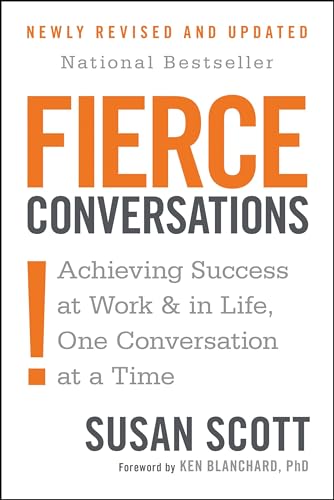
This week’s read: Fierce Conversations by Susan Scott. Scott has a whole framework for the conversation you’ve been avoiding. The chapter called “Confront Reality” is where I’d start. She’s not gentle about it, which is the point. Find it here.
Patience is a virtue. Indecision dressed as patience is a tax. Your team is paying it.