Welcome to Leadership Insights! Each week, we curate transformative leadership insights and add our own expertise to help you lead with purpose and impact. Whether you’re a seasoned executive or an emerging leader, you’ll find actionable wisdom in every edition.
Hi, welcome back. I’ve been sitting with something all week that I think you’ll recognize.
A client called me after a board meeting last month. He’d done something he’d never done before. He told his board he didn’t have the answer to a question they’d asked about their international expansion. He expected it to go badly. Instead, two board members stayed after to help him think it through. One offered a connection he’d been sitting on for months. The conversation went deeper in forty minutes than it had in the previous three quarterly meetings combined.
He’d spent two years performing certainty in that room. The first time he stopped, everything changed. Most leaders I work with think vulnerability is a risk they can’t afford. What they don’t realize is that certainty is the more expensive performance. It’s the one that keeps people from bringing you the problems early enough to actually solve them.
This Week’s Posts We Love
LinkedIn Spotlight by L Jermaine Shelby Jr.
Title ≠ leadership—and this post from L. Jermaine Shelby Jr. is such a powerful reminder of that. The difference between a boss and a leader isn’t loud or flashy; it shows up in the words we use, the trust we extend, and how people feel after interacting with us. It’s a gut-check for all of us who carry influence, whether we realize it or not. Do you have a boss or a leader you work for? If you are in a leadership position, which characteristics are you checking off the most?
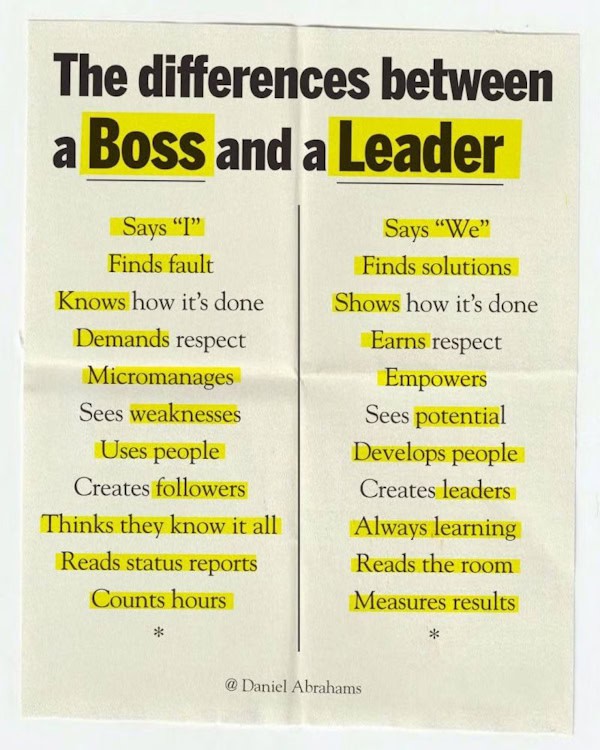
Image- From LinkedIn Group
Click Here to Check Out The Full LI Post
Podcast Spotlight from HBR IdeaCast
This week’s podcast spotlight features an episode of HBR IdeaCast exploring what may be the next big shift in AI: “With Rise of Agents, We Are Entering the World of Identic AI.” Don Tapscott challenges leaders to think beyond efficiency and consider a future where AI agents don’t just complete tasks—but understand your judgment and values enough to act on your behalf. It’s a fascinating (and slightly unsettling) look at what this could mean for leadership, decision-making, and organizational trust. Take a listen and let me know—does this excite you, concern you, or both?

Check Out the Full Episode Here
Recommended Resource
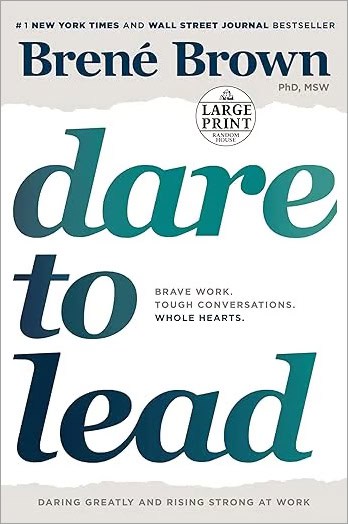
Dare to Lead: Brave Work. Tough Conversations. Whole Hearts. by Brené Brown
What does it take to lead with courage? Brown argues that vulnerability isn’t a liability—it’s the foundation of brave leadership. The book breaks down the specific skills of daring leadership: rumbling with vulnerability, living into your values, braving trust, and learning to rise from failure. It’s research-backed but deeply practical.
In my work with executives, I see this pattern constantly: the leaders who create the most trust and psychological safety aren’t the ones who have all the answers—they’re the ones willing to admit when they don’t. Brown provides both the permission and the framework for leading that way intentionally.
Recommended Reading
“The Art of Receiving Feedback: How to Hear More Than What’s Said” by Michaela Bránová
This article explores how receiving feedback well is itself an act of leadership vulnerability. Daskal outlines specific strategies for listening beyond the words—reading body language, asking clarifying questions, and creating space for honest input. The focus is on making feedback a two-way conversation rather than a one-way critique.
The connection to strategic vulnerability is direct: when you ask for feedback and actually receive it without defensiveness, you model the openness you want from your team. This article provides practical techniques for doing that well, even when the feedback is hard to hear.
From the CARE to Lead® Archives
Why Psychological Safety at Work is Vital for Companies to Thrive and 4 Steps to Cultivate it
This week’s “From the Archives” post feels just as relevant today: Why Psychological Safety at Work is Vital for Companies to Thrive—and 4 Steps to Cultivate It. When the world feels heavy and uncertain, our workplaces can’t add to the fear—they have to become spaces of trust, connection, and courage. Psychological safety isn’t a “soft skill”; it’s a strategic imperative that impacts performance, retention, and results. If you’re in a leadership role, what’s one step you’re taking to build safety for your team intentionally?

Closing Thoughts
The armor that got you to the C-suite might be the thing keeping you from leading once you’re there. The question isn’t whether you can afford to be honest. It’s whether you can afford not to be.
Want to go deeper? Executive coaching is a space where you can drop the armor completely. If you’re ready for that level of honesty and growth, let’s talk. Reply with “Coaching” and we’ll set up a time.
Thank you for being part of our leadership community. We’re dedicated to helping you lead with Clarity, Authenticity, Responsibility, and Engagement. Until next week, keep raising the bar on your leadership journey!
Whenever you’re ready, here are ways to take your leadership to the next level:
- 1-Hour Executive Breakthrough Session: Get unstuck fast with a focused 1-hour breakthrough session designed to solve your most pressing challenge and create an actionable path forward. Click here to schedule your session today!
- Executive Mastery Coaching: I work privately with senior leaders on an annual, access-first basis. Bi-weekly strategy sessions plus unlimited access between sessions means you’re never leading alone. Hit reply to this email if you’d like details.
- CARE to Lead® for Teams: If your organization is ready for more innovati future-focused conversations, let’s design a custom CARE to Lead® experience. This is where bigger questions become real results. Click here to schedule an exploratory call.