Welcome to Leadership Insights! Each week, we curate transformative leadership insights and add our own expertise to help you lead with purpose and impact. Whether you’re a seasoned executive or an emerging leader, you’ll find actionable wisdom in every edition.
Happy Wednesday. This one started as a conversation with a client but it’s been rattling around in my head ever since, so I wanted to share it with you.
I was coaching a founder last year who kept asking me the same question: ‘What should I do about my VP of Sales?’ After the third time, I stopped him. ‘Wrong question,’ I said. ‘Try this instead: What am I not seeing about this situation?’ The room went quiet. Then: ‘I’m not seeing that I hired him to do a job I’ve never let him actually do.’ That’s the shift. Most leaders treat their toughest challenges like a problem to solve. Fix the VP. Fix the timeline. Fix the culture. But the leaders who actually move things forward aren’t solving. They’re seeing. They’re asking the question underneath the question.
The difference between ‘What should I do?’ and ‘What am I not seeing?’ isn’t semantic. It’s the difference between staying in the pattern and breaking it.
This Week’s Posts We Love
LinkedIn Spotlight by Samson Akinola
This week’s LinkedIn spotlight is a powerful reminder that what we see at work is rarely the full story. Samson Akinola challenges us to pause before we judge and to remember that behavior is often a symptom of something deeper. I often tell leaders that you can hold high standards and still lead with humanity—those two things are not opposites. Before you react this week, consider asking one simple question: “Is everything okay?”
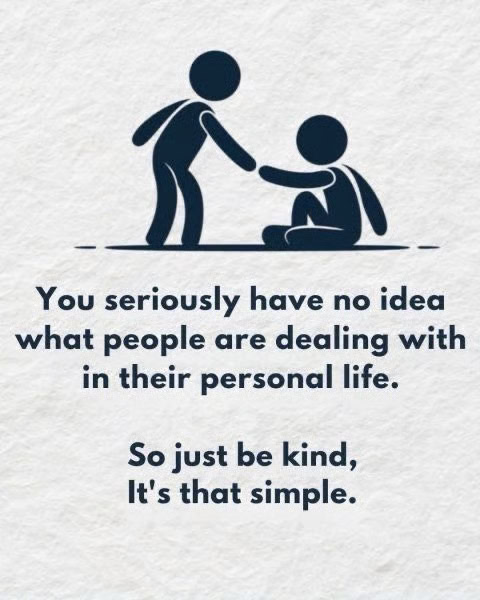
Image- From LinkedIn Group
Click Here to Check Out The Full LI Post
Podcast Spotlight: “The surprisingly simple reason teams fail with Tessa West” from the TED Business Podcast
This week’s podcast spotlight is a TED Business episode that touches on a communication issue most organizations suffer through at some point in their lifetime. Sometimes teams don’t fail because they lack talent, they fail because they stop talking. Tessa West unpacks how assumptions and “hidden languages” quietly derail even the smartest groups. It’s a great reminder that small shifts in communication can completely change how information lands.

Check Out the Full Episode Here
Recommended Resource
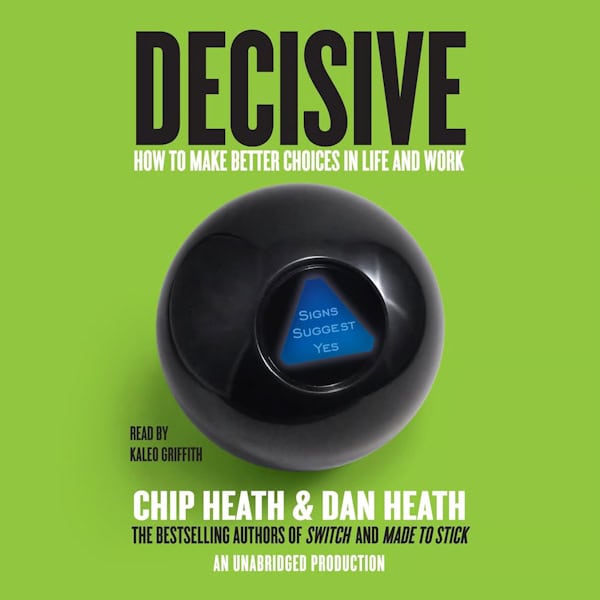
Decisive: How to Make Better Choices in Life and Work by Chip Heath and Dan Heath
Why do smart people make bad decisions? The Heath brothers identify four villains of decision-making—narrow framing, confirmation bias, short-term emotion, and overconfidence—and offer a practical framework (WRAP) for making better choices. The book is filled with research-backed strategies for expanding options, testing assumptions, and gaining distance before deciding.
In my work with executives, I see decision fatigue show up as a pattern: leaders make dozens of small decisions that drain their capacity for the big ones that actually matter. This book provides a systematic approach to improving decision quality while reducing the cognitive load that comes with constant choice-making.
Recommended Reading
“Decision Fatigue in CEOs: The Hidden Productivity Drain” by Leanership
This article explores how the sheer volume of decisions CEOs face daily depletes mental energy and degrades decision quality over time. It breaks down the neuroscience of decision fatigue and offers practical strategies for protecting cognitive resources—from decision batching to creating default systems that eliminate unnecessary choices.
The connection to this week’s theme is direct: when you’re constantly asking “What should I do?” you’re burning through mental energy. When you shift to “What am I not seeing?” you’re often uncovering patterns that eliminate entire categories of decisions. Better questions lead to fewer, better choices.
From the CARE to Lead® Archives
Three Mistakes New Leaders Make – And How to Avoid Them
New leaders, this one’s for you—because a promotion doesn’t automatically come with a playbook. In this CARE to Lead® throwback, I revisit three common mistakes that can quietly derail your impact: speaking too directly, not letting others lead, and underestimating your influence. I’ve made (and witnessed) every one of these, and the lessons still hold true today. If you’re stepping into a new role—or supporting someone who is—this is a timeless refresher worth reading.

Closing Thoughts
The best leaders I’ve worked with aren’t the ones with the sharpest answers. They’re the ones who’ve learned to sit with better questions long enough to see what everyone else is missing.
Want to go deeper? Executive coaching is about seeing what you can’t see on your own. If you’re ready for that level of clarity, let’s talk. Reply with “Coaching” and we’ll set up a time.
Thank you for being part of our leadership community. We’re dedicated to helping you lead with Clarity, Authenticity, Responsibility, and Engagement. Until next week, keep raising the bar on your leadership journey!
Whenever you’re ready, here are ways to take your leadership to the next level:
- 1-Hour Executive Breakthrough Session: Get unstuck fast with a focused 1-hour breakthrough session designed to solve your most pressing challenge and create an actionable path forward. Click here to schedule your session today!
- Executive Mastery Coaching: I work privately with senior leaders on an annual, access-first basis. Bi-weekly strategy sessions plus unlimited access between sessions means you’re never leading alone. Hit reply to this email if you’d like details.
- CARE to Lead® for Teams: If your organization is ready for more innovative, future-focused conversations, let’s design a custom CARE to Lead® experience. This is where bigger questions become real results. Click here to schedule an exploratory call.