Welcome to Leadership Insights! Each week, we curate transformative leadership insights and add our own expertise to help you lead with purpose and impact. Whether you’re a seasoned executive or an emerging leader, you’ll find actionable wisdom in every edition.
Good morning. A few of you wrote back after last week’s newsletter about listening, and the thread was the same: what happens when people hear you but nothing changes? That’s exactly where this week picks up.
A client rolled out a new operating model last quarter. Four months building the business case. Benchmarking data. Industry analysis. A thirty-page deck that answered every logical objection. The town hall went fine. People nodded. Asked polite questions. Then nothing changed.
Three weeks later, the same teams were running the same processes with the same handoffs. When she pressed her VPs, they all said the same thing: ‘We’re working on the transition.’ Nobody was working on the transition.
When I asked her what she thought was happening, she pulled up the deck again. ‘Maybe I didn’t make the case clearly enough.’ She had.
That wasn’t the problem. The problem was that she’d built a case for the head and ignored everything happening in the gut. Half her leadership team was afraid their roles would shrink. Two VPs had seen similar initiatives fail before. One was angry that he wasn’t consulted during the design phase. None of that showed up in the Q&A. All of it showed up in the resistance.
If you’re leading any kind of change right now, and the logic is solid but the movement isn’t there, the issue probably isn’t your argument. It’s what your people are feeling that they haven’t told you.
This Week’s Post We Love

LinkedIn Post
Have you ever found yourself revisiting the same decision over and over again, unsure if it’s actually the right one? This post sparked a great conversation on LinkedIn about something many of us experience, decision “fog” that isn’t about capability but about proximity. Sometimes the most productive thing you can do as a leader is step back long enough to gain clarity. I’d love to keep the conversation going—where in your work or life could a little distance create a better decision?
Book of the Week
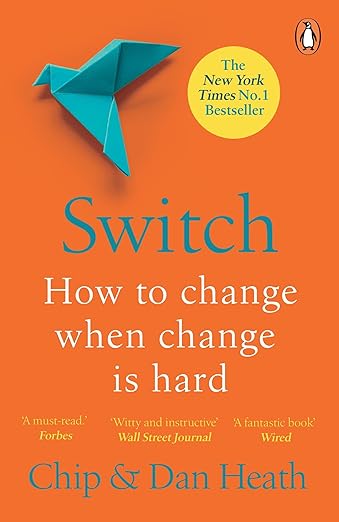
Switch: How to Change Things When Change Is Hard by Chip Heath & Dan Heath
This book keeps showing up in my work with leaders navigating organizational change, and for good reason. The Heath brothers use a simple but powerful framework: the rational mind (the rider) and the emotional mind (the elephant). Most leaders build airtight logical cases for change and then wonder why people resist. This book explains why. If this week’s newsletter on leading change landed for you, Switch gives you the missing piece: how to move people when logic alone won’t do it.
An Article We Think You’ll Love
“How to Be a Successful Change Leader” by the Center for Creative Leadership
I found this piece while researching what separates leaders who navigate change well from those who just announce it and hope for the best. CCL’s research identifies specific competencies that matter most during transitions, and what stood out is their emphasis on addressing both the structural and human sides of change. If this week’s newsletter on leading change hit a nerve, this article offers a practical lens for what to actually do differently.
Whenever you’re ready, here are ways to take your leadership to the next level.
- Executive Triage: 90 minutes. One pattern named. You’ll get an 8-page intelligence brief that makes the thing running underneath your leadership impossible to ignore. Click here to find out more.
- Executive Mastery Coaching: I work privately with senior leaders on an annual, access-first basis. Bi-weekly strategy sessions plus unlimited access between sessions means you’re never leading alone. Hit reply to this email if you’d like details.
- CARE to Lead® for Teams: If your organization is ready for more innovative, future-focused conversations, let’s design a custom CARE to Lead® experience. This is where bigger questions become real results. Click here to schedule an exploratory call.
From the CARE to Lead® Archives

Why Managers Fail To Delegate At Work
Ever catch yourself thinking, “It’s just faster if I do it myself”? This week’s archives post is a relatable reminder that avoiding delegation may save time in the moment but will cost you (and your team) in the long run. Delegation isn’t just about getting work off your plate; it’s how you develop others, build trust, and truly lead. Be honest. What’s one task you’ve been holding onto that you know you should delegate?
Closing Thoughts
Logic tells people what to think. It never tells them what to feel. And change moves at the speed of what people feel, not what they understand.